
Picture a peak Tuesday rush when the core unit everyone relies on suddenly goes dead silent. Work grinds to a halt, schedules collapse, and the emergency repair bill hits harder than expected. Running equipment into the ground is an expensive gamble. Moving to a modern, data-backed approach flips this dynamic entirely catching minor anomalies early and replacing guesswork with real-time operational data.
Transitioning from reactive firefighting to a proactive upkeep model delivers measurable, long-term business rewards.
1. Drastically Reducing Unexpected Downtime
A single equipment failure triggers a destructive domino effect across your entire operation. Production lines stall, employees stand idle, and promised delivery windows slip away. Detecting early mechanical warnings stops that chaos before it starts, shifting necessary interventions to planned, low-impact hours.
Reactive Maintenance:
[ Sudden Breakdown ] ➔ [ Line Stalls ] ➔ [ Missed Deliveries ] ➔ [ Customer Friction ]

Proactive Strategy:
[ Early Sensor Alert ] ➔ [ Scheduled Fix ] ➔ [ Seamless Output ] ➔ [ Client Trust ]
The benefits extend far beyond saved labor hours:
-
Reliable Fulfillment: Deliveries arrive on schedule, every time.
-
Enhanced Client Retention: Consistent service builds deep customer trust, strengthening long-term contracts and [driving recurring revenue] (Suggested Internal Link Target).
-
Optimized Labor Allocation: Technical teams focus on high-value improvements rather than constant emergency calls.
2. Extending Industrial Equipment Lifespan
Machinery represents one of the largest capital investments a business will ever make from heavy hydraulic presses and HVAC systems to commercial transport fleets. Pushing assets to physical failure drastically accelerates wear and tear, shortening their usable lifetime.
Routine diagnostic checks, precision calibration, and quick component replacements keep assets performing at peak efficiency. Extending an asset’s operational life by five or ten years saves millions in capital expenditure ($\text{CapEx}$) and prevents the massive operational disruption of installing new equipment.
3. Lowering Direct Maintenance and Repair Costs
Emergency repairs are consistently the most expensive way to run a facility. Call-out crews demand premium rates for urgent service, and a catastrophic mechanical breakdown often destroys surrounding components.
Emergency Repairs  ➔  High Premium Rates  +  Collateral Asset Damage
Predictive Upkeep  ➔  Fixed, Low-Cost Routine Servicing
Shifting toward [predictive maintenance software] (Suggested External/Internal Link Target) replaces erratic crisis bills with small, predictable operational expenses ($\text{OpEx}$). Smart sensors track asset health in real time, prompting service only when performance parameters dictate it eliminating unnecessary routine over-servicing.
4. Improving Workplace Safety and Compliance
Neglected machinery poses a direct threat to workforce safety. Worn bearings, failing electrical components, or outdated control panels can cause equipment to malfunction without warning.
When aging electronics cause erratic machine behavior, partnering with a professional [industrial electronic repair service] (Suggested Link Target) resolves underlying board-level faults before they trigger severe hazards. Furthermore, well-maintained equipment eliminates dangerous workarounds, such as staff climbing machinery to manually bypass faulty valves or working in extreme heat due to failed cooling units.
The Human & Financial Impact: Safe, smoothly operating facilities experience fewer injury claims, lower insurance premiums, and higher overall employee morale and retention.
5. Enabling Data-Driven Capital Decisions
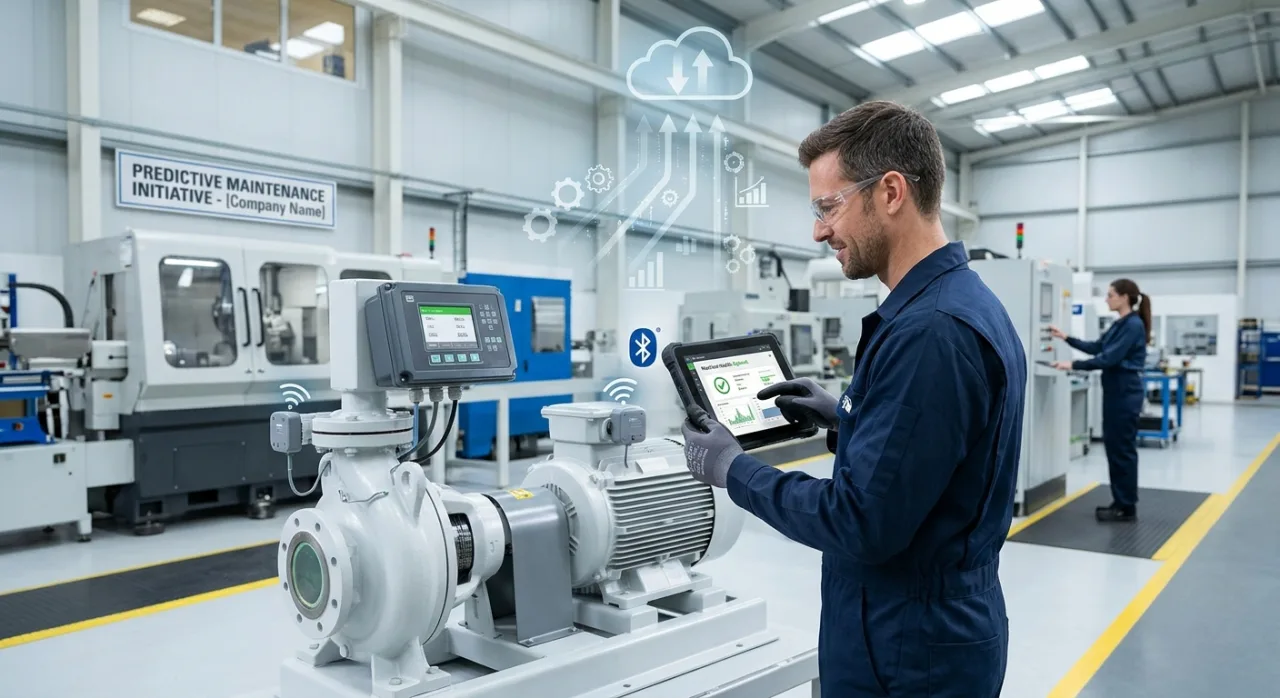
Modern asset care replaces educated guesses with precise operational intelligence. Compact IoT sensors continuously monitor critical variables across every unit:
-
Vibration and harmonic balance
-
Operating temperature spikes
-
Fluid pressure fluctuations
-
Cumulative run-time hours
A centralized dashboard consolidates these metrics, automatically alerting managers to emerging issues. Beyond preventing failures, this historical data reveals exactly which models perform best, guiding smarter future procurement decisions and ensuring capital is spent where it delivers maximum ROI.
Quick Comparison: Traditional vs. Modern Maintenance
| Performance Metric | Traditional Reactive Care | Modern Predictive Strategy | Business Impact |
| Downtime | Unplanned & Frequent | Scheduled & Minimal | Maximum production output |
| Repair Expenses | High (Emergency rates) | Low (Planned servicing) | Stable, predictable budgets |
| Asset Lifespan | Premature wear | Extended multi-year life | Delayed major CapEx spend |
| Workplace Safety | Higher hazard risk | Controlled & Compliant | Reduced liability & injury risk |
| Decision Basis | Experience & Hunches | Real-time IoT Data | Precision operational control |
Conclusion
Modern maintenance strategy is not an operational expense it is a competitive advantage. Preventing surprise stoppages, expanding asset longevity, and cutting emergency repair costs directly protect the bottom line. As industry margins tighten and uptime becomes critical, companies that adopt predictive, data-driven upkeep gain a resilient, cost-effective foundation for sustainable growth.