
Fashion has always been about more than clothes. It is about mood, identity, and the story behind every outfit. Today, much of that story is told through short videos lookbook reels, styling tutorials, haul reviews, and behind-the-scenes clips from small labels. As video takes over our feeds, one tool is quietly helping creators and brands sound as polished as they look: the AI voiceover.
Why Voice Matters in Fashion Content
A beautiful outfit video can lose its viewers in seconds if there is nothing to guide them. A clear, warm voice explains why a blazer works for both office and evening wear, how to layer knitwear without looking bulky, or which fabrics breathe best in summer. Voice adds personality and helps viewers remember the advice long after the clip ends.
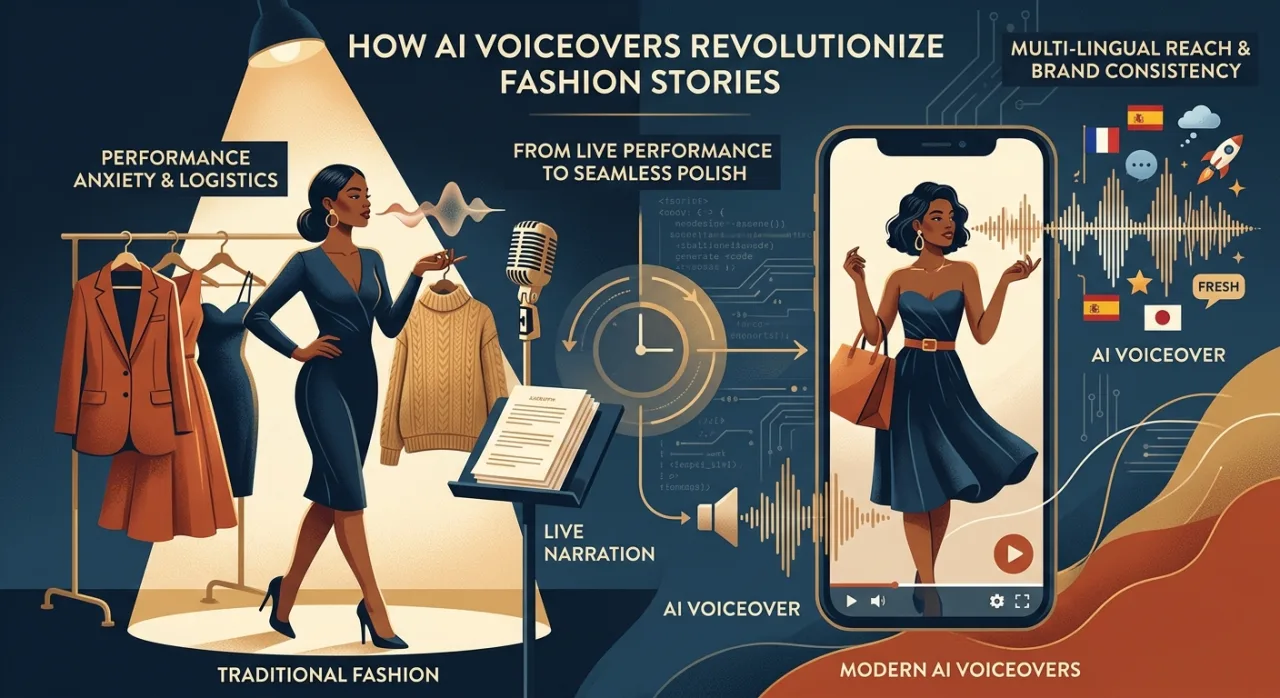
However, recording traditional audio presents several hurdles for content creators and boutique owners:
-
Performance Anxiety: Many creators feel uncomfortable recording their own voice due to nerves, self-consciousness, or accents.
-
Environmental Noise: Achieving studio-quality sound at home requires quiet environments and specialized recording equipment.
-
Production Budgets: Small boutiques rarely have the financial resources to hire professional voice artists for every product video.
Modern AI voice tools step in to bridge this exact gap, offering accessible narration solutions for brands of all sizes.
What an AI Voice Generator Can Do for Creators
Advanced voice tools turn written scripts into natural-sounding narration in just a few clicks. You type your styling tips, choose a voice that fits your brand identity, and the tool reads it aloud with realistic pacing and tone. For creators who want to test the concept before spending money, exploring an ai voice generator free option is a straightforward way to start experimenting with narration for reels, tutorials, and product showcases.
Matching Voice Texture to Brand Aesthetic
| Brand Style | Recommended Voice Tone | Ideal Content Application |
| Luxury Boutique | Soft, measured, elegant | High-end lookbooks, seasonal collection reveals |
| Streetwear Label | Bold, casual, energetic | Urban styling reels, drop announcements |
| Sustainable Fashion | Warm, calm, conversational | Behind-the-scenes, fabric sourcing guides |
Maintaining consistency between your vocal texture and visual aesthetic ensures the entire video feels cohesive and engaging.
Practical Ways to Use AI Voiceovers in Fashion
-
Lookbooks and Seasonal Collections: Explain the inspiration behind a line, the chosen color palette, and key statement pieces so viewers understand the artistic narrative.
-
Styling Tutorials: Walk viewers step-by-step through how to transform a single white shirt into five distinct weekly looks, avoiding cluttered text overlays on fast-moving screens.
-
Product Descriptions: Create short voiced clips explaining fit, fabric composition, and care instructions to reduce sizing confusion and lower return rates.
-
Multilingual Expansion: Utilize advanced generation tools to produce accurate narration in multiple languages, helping independent designers reach international markets without booking recording studios.
Tips for Making AI Narration Sound Natural
To achieve the best results with automated audio, follow these practical steps:
-
Write for Conversation: Draft your script the way you actually speak. Short sentences and simple words sound significantly more human than formal, academic paragraphs.
-
Control the Pacing: Add natural pauses using punctuation marks like commas and full stops. Avoid stuffing scripts with dense technical jargon.
-
Keep Audio in a Supporting Role: Let the clothes, colors, and physical movement lead the video. Narration should simply add helpful context.
-
Review Before Publishing: Always listen to the complete generated voiceover to catch and adjust any mispronounced words or awkward inflections.
The Bottom Line
Fashion content is becoming faster, more visual, and more personal, and voice plays a major role in that shift. AI voiceovers give independent creators, stylists, and small retail brands a practical, accessible way to share their creative ideas clearly without expensive studio equipment. Used thoughtfully, these tools help every outfit tell a fuller story.